


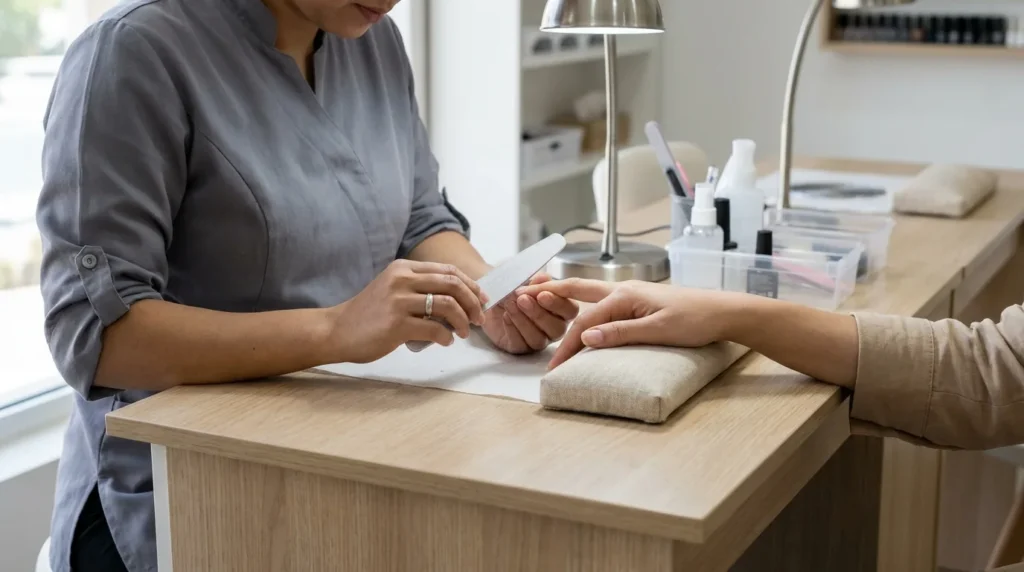
Is acrylic nails bad for you? Not on their own, because the acrylic itself is largely inert once it sets. Most damage to your natural nails comes from how they are applied and removed: aggressive filing of the nail plate, harsh chemicals, and peeling a set off at home. Done well at a careful salon, acrylics carry manageable risk for most people.
That answer surprises people who have ended up with thin, peeling nails after a set. The nuance matters, because it changes what you should actually watch for. The risk lives in the technician’s habits and your aftercare, far more than in the product on your fingers.

Popular nail salons in Dubai
Feel Pink is a nail and beauty service based in Sheikh Noora Tower in Barsha Heights, offering gel and French manicures, nail art and extensions, gel pedicures, waxing, eyebrow shaping and eyelash extensions. It is rated from reviews. Reviewers consistently praise the team as punctual, professional and highly attentive to detail, with waxing and nail services both singled out for clean, precise, long-lasting results. Several reviews highlight the convenience of salon-level results delivered as a home visit, describing the atmosphere as friendly and relaxed even outside a traditional salon setting. On-site, home-visit appointments are the norm here according to reviewers, and gender-neutral toilet facilities are available at the Sheikh Noora Tower base for those visiting in person. Booking ahead is recommended.
Years of regular visits and a genuine sense of loyalty define reviews of Chi Nail Spa at Detroit House in Dubai Motor City. It is rated from reviews, with the salon repeatedly called a welcome escape from a busy day.The space is repeatedly described as spotless and peaceful, with a warm team that reviewers say remembers their preferences and treats them with real consistency over time. Lash lift and tint, along with brow tidy-ups, are mentioned as reliably well done alongside nail work.The salon offers acrylic nails, gel nails, gel pedicure, nail art, nail extensions, chrome nails, French manicure, eyelash extensions, IPL hair removal, and a range of massage and reflexology treatments. On-site facilities include a toilet and parking.
ITS Beauty is a nail salon in Business Bay's Iris Bay tower, rated from reviews. Many reviewers highlight the nail art, gel manicures and pedicures as standout work, and several mention a warm welcome from the reception team as part of the experience.Feedback is not universally consistent, though, with at least one detailed account describing flawed nail work discovered once home and a lack of follow up after the salon was asked to put it right. Services span acrylic and gel nails, nail art and extensions, Russian manicure, French manicure, eyelash extensions, eyebrow shaping, back massage, hair colouring and highlights, blow dry, balayage, bridal makeup and waxing.The salon has free Wi-Fi, on-site services and wheelchair-accessible parking, entrance and toilet, and booking ahead is worth doing given how busy it gets.
N.Bar Nail Spa & Salon is a nail salon at Ibn Battuta Mall, India Court, rated from reviews. Beyond manicures and pedicures, the salon offers gel nails, nail art, eyelash extensions, eyebrow shaping and blow dries.Reviewers consistently praise the dry skin removal and pedicure work in particular, describing a careful, gentle touch even for sensitive feet. Many clients mention returning to the same specialists over months or years and being looked after just as well each time, no matter how long the gap between visits or how busy the branch is.The salon has an on-site toilet, wheelchair-accessible parking and entrance, and accepts walk-ins alongside booked appointments. It suits both quick nail top-ups and longer pampering sessions.
N.Bar Nail Spa & Salon is a nail salon in Umm Suqeim 3, based at The Mall on Jumeira Street. Services include gel nails, chrome nails, French manicure, nail art, nail extensions, Russian manicure, paraffin treatment, hand and back massage, reflexology, eyelash extensions and anti-aging facials.It is rated from reviews. Reviewers consistently praise the gel manicures and pedicures for being neat and long lasting, with technicians described as meticulous, careful and friendly throughout the appointment. Facials booked at the same time are also mentioned as thorough and comfortable. Many clients note being offered tea, coffee or water during their visit.With a clean, welcoming atmosphere, the salon suits clients booking ahead for detailed nail work or a combined nail and facial appointment.
So, are acrylic nails bad for you or not?
Dermatologists give a consistent verdict: acrylics are not inherently harmful, but they are not consequence-free either. The Cleveland Clinic frames it as weighing the reward against the risk of irritated skin, weakened nails, and infection. The acrylic is a hardened blend of a liquid monomer and a powder polymer that bonds to a roughened nail surface. Once cured, it sits on top of your nail. The trouble starts at the edges of that process.
Two things decide whether you walk away fine or damaged. The first is the technician, because light buffing, clean tools, and a proper soak-off removal protect your nails while heavy filing and a rushed peel-off do the harm. The second is what you do between sets: hydration, breaks, and resisting the urge to pick. Get both right and the question of whether acrylic nails are bad for you mostly answers itself.
What actually damages your nails (and what does not)
Do acrylic nails damage your nails? They can, but rarely for the reason people assume. The product is not the villain: the prep, the chemicals, and the removal are. Here is what causes real harm, in order of how often it shows up.
Over-filing during prep
To get acrylic to stick, the technician roughens the top layer of your nail plate. Done lightly, this is fine. Done heavily, it thins and weakens the nail underneath. A warning sign is a “ring of fire”: a red, irritated band at the base of the nail from a file pressed too hard or held at the wrong angle. A safe acrylic system needs only minimal buffing to dull the shine before application.
Improper removal
This is the single biggest cause of damage. Prying, peeling, or picking a set off rips layers of keratin away with it. The bond between the acrylic and your nail is stronger than the bond holding your nail layers together, so the nail loses. Removal should be a professional acetone soak of around 15 minutes, followed by gentle buffing of any residue, never a credit card, dental floss, or another nail tip used as a lever.
Harsh chemicals and allergy
The acetone used in removal dries out the nail bed and the skin around it. The adhesives and powders can trigger allergic contact dermatitis, a reaction to the acrylates that help the coating harden. Signs include redness, itching, cracking, or peeling of the skin around the nail. Oddly, the first place many people notice a reaction is the eyelids, because that skin is the thinnest on the body and reacts before the thicker skin on the fingers does.
The MMA shortcut
Some cheap salons use a monomer containing methyl methacrylate (MMA), a substance not designed for the natural nail plate. MMA bonds so aggressively that it forces heavy filing and can take real nail layers with it on removal. Safe salons use ethyl methacrylate (EMA), which needs only light buffing. The price gap is usually the tell, and it is the clearest reason a “cheap” set can cost you more in nail health later.
The four health risks worth knowing
Beyond surface damage, acrylics carry a short list of health risks. None are common, and none should stop most people from booking, but they are worth recognising early so you can act fast.
| Risk | What it looks like | How to lower it |
|---|---|---|
| Brittle, weakened nails | Thin, soft, peeling nails for up to six months after removal | Light buffing only, professional removal, cuticle oil daily |
| Allergic contact dermatitis | Redness, itching, or cracking around nails (or on eyelids) | EMA salons, no monomer on skin, stop at first reaction |
| Onycholysis | Nail plate lifting away from the nail bed after everyday knocks | Keep sets short between fills, treat snags gently |
| Fungal or bacterial infection | Green, brown, or yellow patches; soreness in the grow-out gap | Regular fills, sanitary tools, never trim cuticles |
The infection risk deserves a note. As the acrylic grows out, a gap forms between the enhancement and your natural nail, and that space traps moisture and becomes a home for fungus (onychomycosis) and bacteria, which is why timely fills matter beyond looks.
Acrylic vs gel vs dip: which is hardest on your nails?
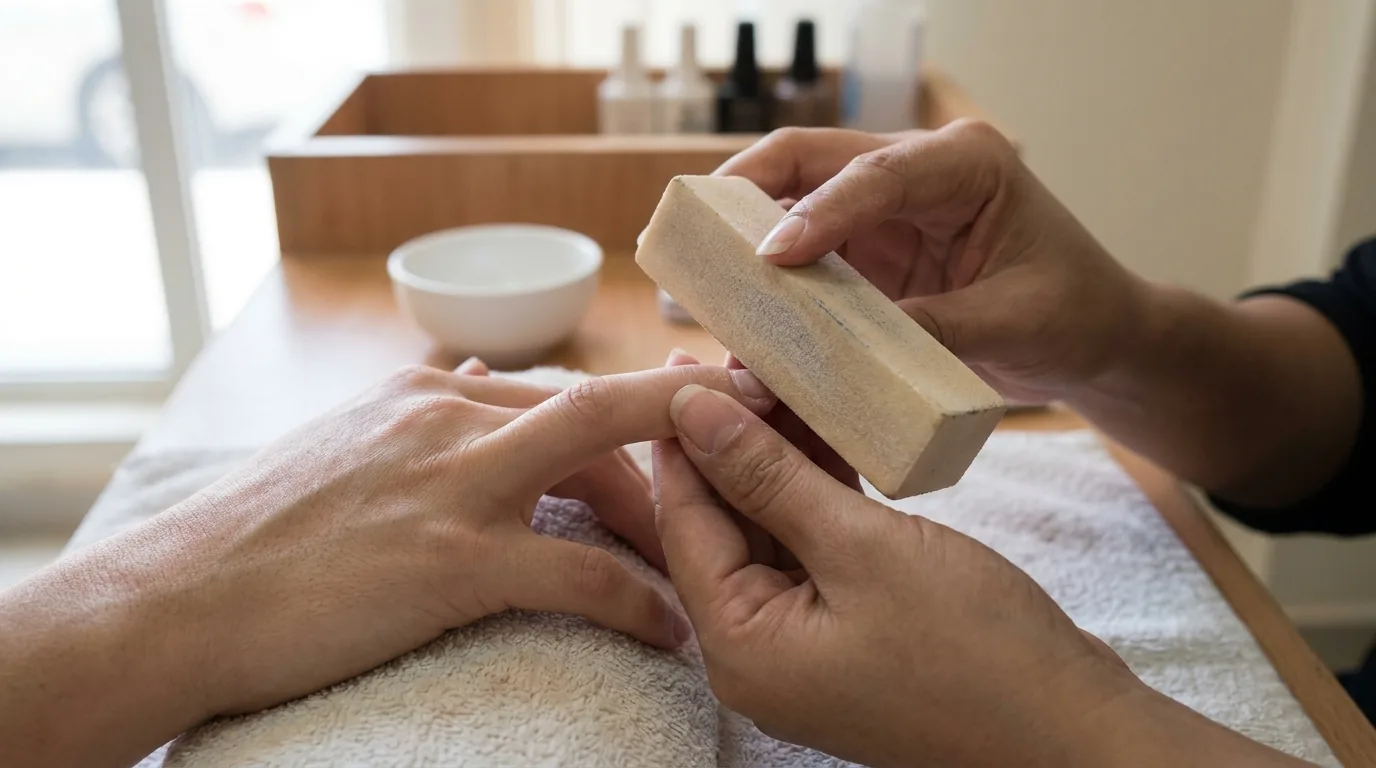
If you are asking whether acrylic nails are bad for you, the honest follow-up is “compared to what?”. Acrylics are the stiffest of the three common enhancements, so they transfer more stress to the nail bed during everyday knocks. Gel polish and dip powder are gentler, though none are risk-free, and all three rely on the same careful application and removal to stay safe.
| Option | Hardness on nails | Removal | Best for |
|---|---|---|---|
| Acrylic | Stiffest, most stress on the nail bed | Acetone soak, heavier residue filing | Length and strength, dramatic shapes |
| Gel polish | More flexible, less abrasive than acrylic | Soak-off gel lifts with less filing | Natural look, shorter wear, shine |
| Dip powder | Strong but slightly more flexible than acrylic | Acetone soak, less chemical paste used | Strength with a touch less trauma |
The takeaway is not “acrylics bad, gel good”. A well-applied acrylic set beats a badly-applied gel set every time. The variable that matters most is the hands doing the work. If you want the full breakdown of one alternative, our guide to gel nails covers wear time and care, nail extensions walks through length options across systems, and the Russian manicure guide explains a dry-filing technique some find gentler on the cuticle.
How to get acrylics done safely in Dubai
Dubai’s nail scene is large and competitive, which is good for price and bad for consistency. The same service ranges from a careful EMA application in a licensed studio to a rushed MMA set in a back-room operation. The difference is invisible on day one and very visible six weeks later. A licensed venue is the baseline filter.
Every legitimate nail salon in Dubai holds a trade licence from the Department of Economy and Tourism (DET), and salons offering treatments that touch skin and health also hold a Dubai Health Authority (DHA) health permit covering hygiene and treatment standards. A salon that cannot show a current licence is one to skip. Our directory lists licensed providers only, so a filtered search is a faster route than scanning shopfronts. Browse the full set of options through the nail salons hub, see venues that list acrylic nails specifically, or read how we screen listings on the how we rank salons page.
Use this checklist before you sit down:
- Ask which monomer they use. The answer you want is EMA, not MMA. A salon that does not know, or charges far below the market, is a red flag.
- Watch the prep. Light buffing to dull the shine is correct. If the file is grinding into your nail plate, stop.
- Check tool hygiene. Sealed or freshly sterilised tools, or bring your own. Dubai’s humidity makes any trapped moisture a faster infection risk.
- Confirm they charge for removal. A salon that bills for proper soak-off removal is one that will do it carefully, rather than peeling a set off for free.
- Say no to cuticle cutting. Cuticles seal the nail against infection. Ask for them to be pushed back gently, not trimmed.
For a wider view of any nail venue in the city, the directory’s full salon directory lets you filter by area, price, and rating before you commit.
What safe acrylics cost in Dubai
Price is a rough proxy for safety, because the cheapest sets are where MMA and rushed removal show up. Acrylic nails in Dubai span a wide band by area and salon tier. The figures below reflect typical full-set pricing across the city.
| Tier | Full set (AED) | What you get |
|---|---|---|
| Budget | AED 80 to 150 | Standard application, basic shapes; verify EMA and removal policy |
| Mid-range | AED 150 to 300 | EMA systems, careful prep, trained technicians, fills included over time |
| Premium | AED 300 to 600+ | Senior nail artists, private setups, detailed shaping and nail art |
Budget out for upkeep too. Acrylics need a fill every two to three weeks as your nail grows, and professional removal is a separate charge worth paying for. A set left past four weeks without a fill shifts the weight balance on the nail and raises the chance of lifting and damage. If you want a gentler look at lower running cost, our guide to French manicure styling covers a classic alternative.
Browse all 92 Nail Salons providers on our directory.
How to protect your nails between sets
Most acrylic damage is preventable with a short routine, and Dubai’s climate adds one wrinkle worth planning around. Long air-conditioned days and frequent hand-washing both dry the nail plate, so hydration matters more here than in cooler, more humid places. The recovery steps below come straight from dermatology guidance, adapted for local conditions.
- Never peel or pick. Always have a set soaked off professionally. This one habit prevents the majority of serious damage.
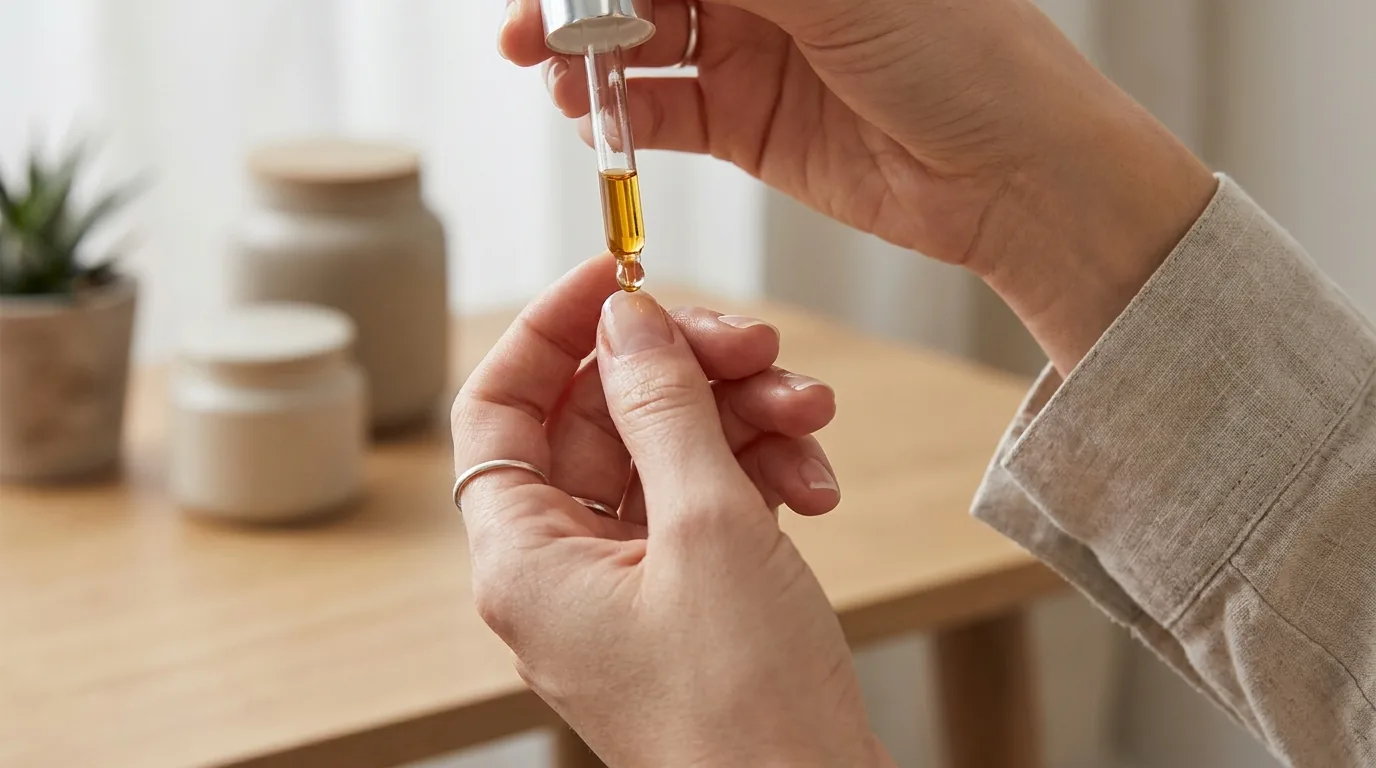
- Use cuticle oil daily. It restores moisture to the nail and the skin around it, countering acetone dryness and AC.
- Take breaks between sets. A few weeks bare lets the nail plate recover and lets you spot early damage. Keep nails short and use a strengthening polish during the break.
- Skip cuticle trimming. Cut cuticles open a path for infection and grow back rougher. Push back gently instead.
- Mind the lamp. If your set is finished under a curing lamp, an LED light emits less ultraviolet than an older UV lamp. A dab of sunscreen on the hands before the appointment is a simple extra guard.
If your natural nail looks dull, peels, or feels sore after removal, that is the signal to pause rather than rebook immediately. A persistent green, brown, or yellow patch is a reason to see a doctor, not a technician.
Worried about the health side of gel? Our guide on whether a gel manicure is safe covers UV exposure, allergy, and safe removal.


