



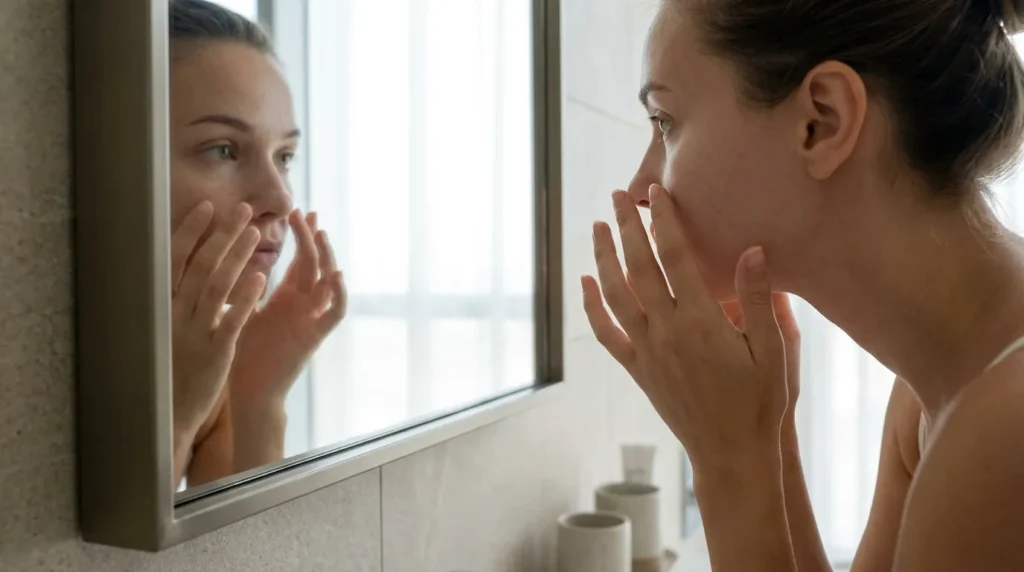
To get rid of blackheads, dissolve the trapped oil and dead skin inside the pore rather than squeezing it. The reliable method is a daily salicylic acid (BHA) cleanser or leave-on, a nightly retinoid such as adapalene, a weekly clay mask, and a lightweight non-comedogenic moisturiser. Most people see clearer pores in four to six weeks. Stubborn or deep clogs respond best to a professional extraction facial from around AED 150, or a chemical peel from around AED 350 in Dubai.
What a blackhead actually is
A blackhead is a clogged pore. Sebum (your skin’s natural oil) and dead skin cells collect in the follicle, and the surface stays open. Air oxidises the trapped material, which turns it dark. That dark colour is oxidation, not dirt, so scrubbing harder does not help and usually irritates the skin.
This matters for how you treat them. Because the plug sits inside the pore, the fix has to reach inside the pore. Surface scrubs and harsh cleansers work on the top layer only, so they leave the clog in place while stripping the skin around it.
Blackheads vs whiteheads vs sebaceous filaments
Knowing which one you have changes the plan. A blackhead is an open clogged pore. A whitehead is the same clog under closed skin, so it looks like a small white bump. Sebaceous filaments are different again: tiny grey dots that line the nose and are a normal part of the skin, not a blockage to remove.
If you want to know how to get rid of blackheads and whiteheads together, the good news is the same ingredients treat both. Salicylic acid and a retinoid clear open and closed clogs alike. When inflamed breakouts join them, a dedicated acne treatment plan adds another layer. Sebaceous filaments, by contrast, refill within days no matter what you do, so the goal there is to keep them small, not to erase them.
The ingredients that work
Three active ingredients do most of the work. Each targets a different part of the clog cycle.
| Ingredient | What it does | How to use it |
|---|---|---|
| Salicylic acid (BHA) | Oil-soluble, so it gets inside the pore and dissolves the sebum plug | Daily cleanser or leave-on serum, 0.5 to 2 percent |
| Retinoids (adapalene) | Speed up skin cell turnover so pores stop re-clogging | Pea-size amount at night, start two or three times a week |
| Benzoyl peroxide | Clears acne-causing bacteria when blackheads sit alongside breakouts | Spot or wash-off use, 2.5 to 5 percent |
Salicylic acid is the first ingredient to reach for because it is oil-soluble and works inside the pore. Azelaic acid is a gentler alternative if your skin reacts to the stronger options. A weekly chemical exfoliation treatment clears surface dead skin between deeper sessions. Pair any active with a non-comedogenic moisturiser, since dry skin produces more oil to compensate and feeds the next round of clogs.
A safe at-home routine, step by step
This is the order that gets results without inflaming the skin. It is also how to get rid of blackheads on cheeks at home, where the skin is thinner and reacts faster than the nose.
- Cleanse twice a day with a salicylic acid wash and lukewarm water. Hot water and over-washing both trigger more oil.
- Apply a retinoid at night on dry skin, a few nights a week to start, building up as your skin adjusts.
- Use a clay mask once a week on the T-zone to draw out surface oil without abrasion.
- Moisturise daily with a lightweight oil-free formula, morning and night.
- Wear sunscreen every morning. Retinoids raise sun sensitivity, and an oil-free SPF protects the result.
Give the routine four to six weeks before you judge it. Pore clearing follows the skin’s renewal cycle, so consistency beats intensity. Layering three actives at once is the most common way people stall their own progress.
How to extract blackheads without scarring
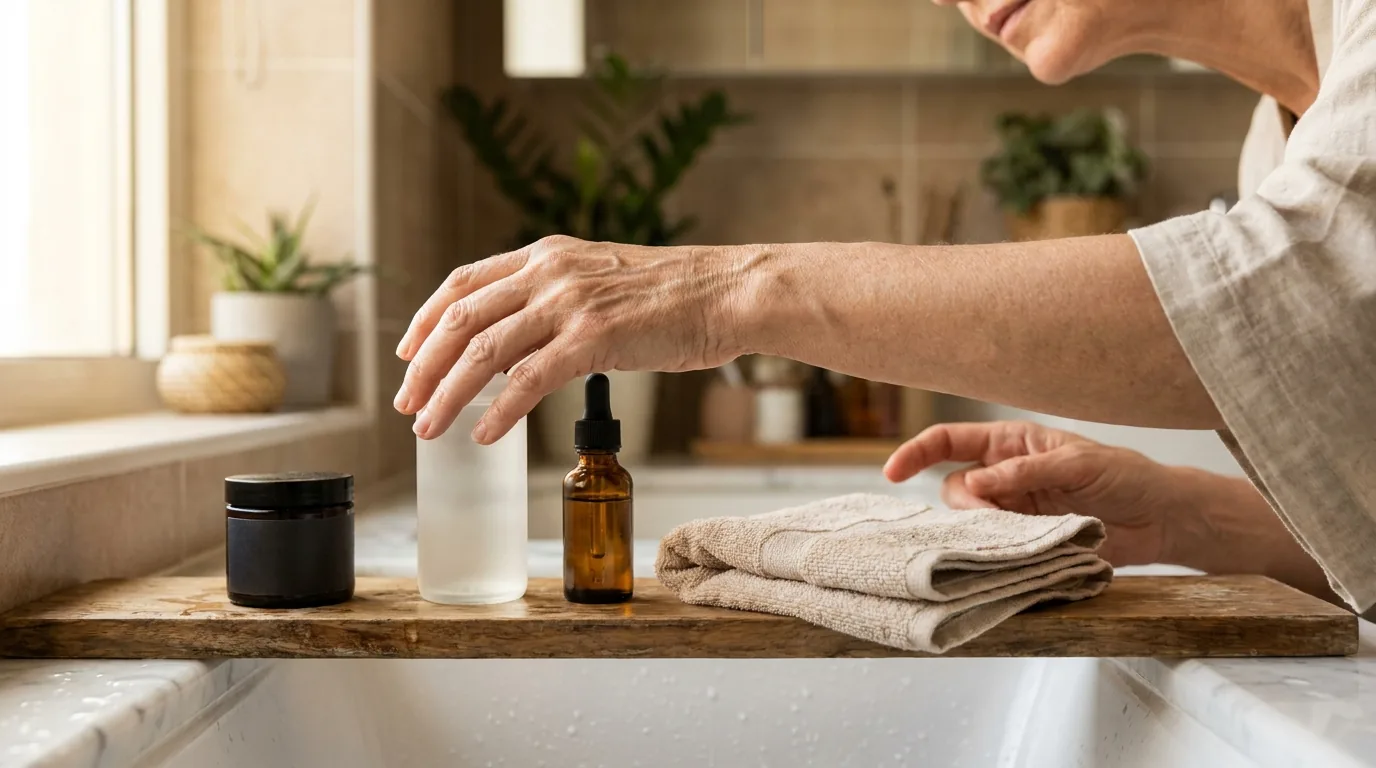
If you want to know how to extract blackheads at home, the safe version is gentle and rare. Never use your fingernails, which bruise the skin and push debris deeper. Soften the pore first with a warm compress or a few minutes in a warm shower, then use a clean stainless-steel comedone extractor with light, even pressure around the blackhead.
If the plug does not lift after gentle pressure, stop. Forcing it risks broken capillaries and post-inflammatory marks, which in Dubai’s strong sun darken and linger. Anything deep, painful, or surrounded by redness should go to a professional rather than your bathroom mirror.
How to get rid of blackheads on the nose
The nose is the hardest zone because the pores there are larger and the oil glands more active. For how to get rid of blackheads on nose buildup, lean on a daily BHA and a weekly clay mask rather than repeated squeezing, which stretches the pore wall over time.
Pore strips are the popular shortcut, and the honest answer on how to extract blackheads on nose skin with them is that they remove the very top of a clog for a day or two and do nothing to prevent the next one. Used occasionally they are harmless. Relied on weekly, they irritate without fixing the cause. A salicylic acid routine is what actually reduces nose blackheads between facials.
How to avoid blackheads coming back
Prevention is mostly about not overcorrecting. The fastest way to learn how to avoid blackheads on nose and cheeks is to keep the routine steady and the skin barrier intact.
- Choose non-comedogenic makeup, sunscreen, and moisturiser, and check labels on hair products that touch the hairline.
- Remove makeup and sunscreen fully before bed, every night.
- Clean anything that touches your face often: phone screen, pillowcases, and gym towels.
- Resist scrubbing harder when you see a clog. Abrasion makes oil glands work harder.
- Reapply sunscreen with clean hands or a fresh applicator, not over a sweaty layer.
Why Dubai’s climate makes blackheads worse
The local environment works against clear pores. Heat and humidity push oil production up, sweat mixes with heavy daily sunscreen, and moving between outdoor heat and strong air conditioning dehydrates the skin so it rebounds with more oil. Each of these feeds the clog cycle.
Two habits help most here. Use a genuinely lightweight, oil-free sunscreen so the SPF you reapply all day does not sit on top of sweat, and cleanse in the evening to clear the day’s layer of sunscreen and grime before it settles into pores overnight. Hard water is also common across the city, so a thorough but gentle cleanse matters more than an aggressive one.
When to see a professional in Dubai
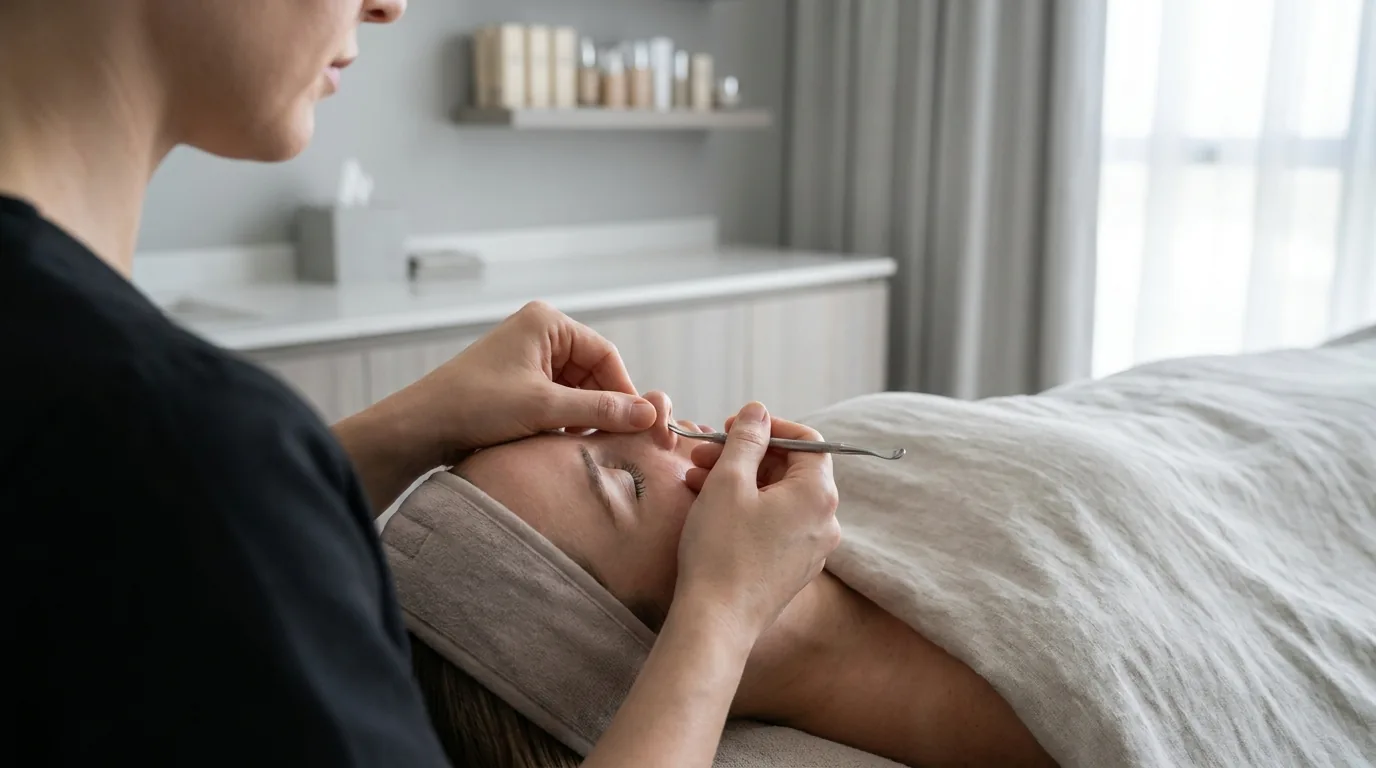
Home care handles most blackheads. A professional is the better call when clogs are deep, widespread, recurring, or leaving marks, or when you simply want a faster reset. A trained therapist, dermatologist, or licensed aesthetician performs sterile extractions that reach pores you cannot safely clear yourself.
Several in-clinic treatments target blackheads directly. A deep cleansing facial, a chemical peel, or a HydraFacial clears pores more thoroughly than anything at home, and skin clinics and facial spas across the city offer all three as standard.
Choose the venue on credentials, not price. A salon or clinic offering skin treatments in Dubai needs a DET trade licence to operate, and any clinical or medical-grade procedure must run under Dubai Health Authority (DHA) licensing, with DHA-licensed staff. Ask before you book.
Browse all 56 Skin Care Salons providers on our directory.
How to choose a skin specialist
Pick a provider by checking the markers that predict a clean, safe result rather than the lowest price.
The same signals that separate a strong skin care salon from a weak one drive our ranking method, so the checklist below mirrors them.
- Confirm the DET trade licence and, for any clinical treatment, DHA licensing of the venue and the practitioner.
- Check recent reviews that mention extractions or facials specifically, not just the overall rating.
- Ask which actives or devices they use and whether the plan suits your skin type.
- Look for single-use or properly sterilised extraction tools.
- Favour a provider who sets realistic expectations over one promising to erase every pore in one session.
Common mistakes to avoid
- Squeezing with fingernails, which scars and spreads the clog.
- Over-exfoliating or stacking too many actives, which strips the barrier and triggers more oil.
- Treating sebaceous filaments as blackheads and chasing pores that are meant to be there.
- Relying on pore strips as a routine instead of an occasional extra.
- Skipping moisturiser or sunscreen because the skin feels oily.
- Quitting a routine at two weeks before it has had time to work.


