



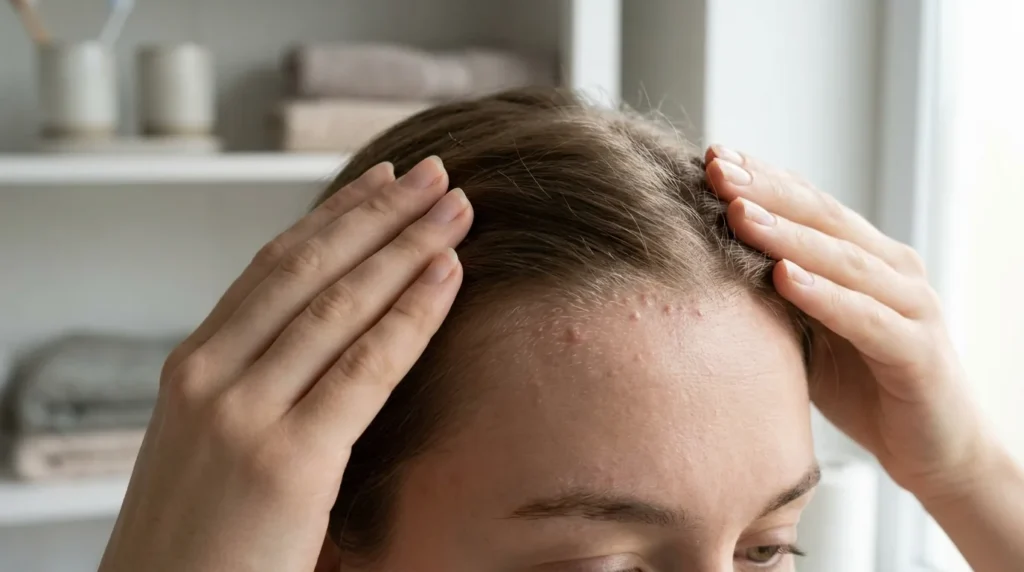
Forehead acne in Dubai is usually comedonal: clogged pores along the hairline and T-zone caused by excess oil, sweat, and hair products, made worse by the heat and humidity. Mild cases clear with a salicylic acid or benzoyl peroxide routine in 4 to 8 weeks; stubborn or scarring breakouts need a DHA-licensed dermatologist.
What forehead acne is
Forehead acne is a cluster of pimples across the upper face, most often on the hairline, brow line, and the oily T-zone that runs down the centre of the face. The forehead has a dense band of oil glands, so it is one of the first places breakouts show up.
Most forehead breakouts are comedonal acne: whiteheads and blackheads formed when a pore fills with sebum and dead skin. Inflamed papules and pustules appear when bacteria multiply inside a blocked pore. Knowing which type you have changes the treatment, so it helps to look closely before you reach for a product.
One forehead-specific pattern is worth flagging. Small, uniform, itchy bumps that sit close together near the hairline are often not true acne at all. They can be fungal acne, an overgrowth of Malassezia yeast in the hair follicles, which looks similar but does not respond to standard acne creams. If your bumps itch and refuse to budge, that distinction matters.
What causes forehead acne
Forehead acne causes come down to one mechanism: a pore gets blocked, oil and bacteria build up, and the follicle inflames. Several everyday triggers feed that process, and on the forehead the hairline plays an outsized role.
- Hair products. Gels, pomades, oils, and sprays migrate from the hairline onto the skin and clog pores. Dermatologists call the result pomade acne, and it is one of the most common forehead-specific triggers.
- Excess oil and clogged pores. The T-zone produces more sebum than the rest of the face. When that oil mixes with dead skin and traps inside a pore, a comedone forms.
- Hormones and androgens. Puberty, menstrual cycles, and stress hormones such as cortisol all push oil glands to produce more sebum. This is why forehead acne in females often tracks the monthly cycle, rising in the days before a period.
- Sweat and friction. Hats, headbands, helmets, and hands resting on the forehead trap sweat and bacteria against the skin. In Dubai that pressure runs year round.
- Comedogenic makeup and skincare. Heavy foundations and rich creams that are not labelled non-comedogenic sit in pores and block them.
If breakouts keep returning despite a steady routine, a professional deep cleansing facial can clear stubborn comedones that home products leave behind.
A short table makes the forehead triggers and their fixes easy to scan.
| Trigger | What happens | First fix |
|---|---|---|
| Hair products | Pomade acne along the hairline | Keep product off the skin, pin hair back |
| Excess oil | Whiteheads and blackheads in the T-zone | Salicylic acid cleanser twice daily |
| Hormones | Cyclical inflamed breakouts | See a dermatologist about hormonal options |
| Sweat and friction | Trapped bacteria under headwear | Cleanse after sweating, wash headbands |
Cosmetics belong on that list too. Heavy or long wearing bases left on overnight are a recognised trigger, which is covered in full in the guide to whether makeup damages skin.
How forehead acne is different in Dubai
The mechanism is universal, but Dubai adds its own pressure. Heat and humidity for much of the year mean the skin sweats more and oil sits on the surface longer, so pores clog faster. If you wear a hijab, cap, or helmet, the fabric traps that sweat against the hairline, the exact spot forehead acne favours.
Sunscreen is non-negotiable in this climate, but a thick, occlusive SPF mixed with sweat is a common hidden trigger. Switch to a lightweight, non-comedogenic, gel or fluid sunscreen and the forehead often settles. Air-conditioned offices dry the skin, which can prompt a rebound surge of oil, so a light moisturiser still belongs in an oily-skin routine.
One more local factor: hard water. Dubai tap water is mineral-heavy, and for some people that leaves a residue that aggravates breakouts. A final rinse with filtered water, or a gentle cleanser that copes with hard water, is a cheap thing to try before you spend on treatments.
How to get rid of forehead acne
For mild to moderate cases, a consistent over-the-counter routine clears most forehead acne within 4 to 8 weeks. Effective forehead acne treatment rests on two ingredients with the strongest evidence: salicylic acid, which dissolves the plug inside a pore, and benzoyl peroxide, which kills acne-causing bacteria. A retinoid speeds cell turnover so pores stop re-clogging.
- Cleanse gently twice a day with a mild, non-comedogenic cleanser. Harsh scrubbing inflames the skin and makes things worse.
- Treat with one active. Start with salicylic acid or benzoyl peroxide, not both at full strength on day one. Introduce a retinoid a few nights a week once your skin tolerates it.
- Fix the hairline. Keep hair products away from the forehead, pin a fringe back, and wash oily hair more often.
- Hands off. Picking and popping spreads bacteria and is the fastest route to scarring.
- Give it time. Skin cells turn over on roughly a 6-week cycle, so judge a routine at 8 weeks, not 8 days.
If the bumps itch and a normal acne routine does nothing, treat it as suspected fungal acne and switch to an antifungal approach rather than piling on stronger acne actives. If you are unsure which products suit your skin, the way we vet providers in our salon ranking method is a useful checklist for spotting a credible skin professional too.
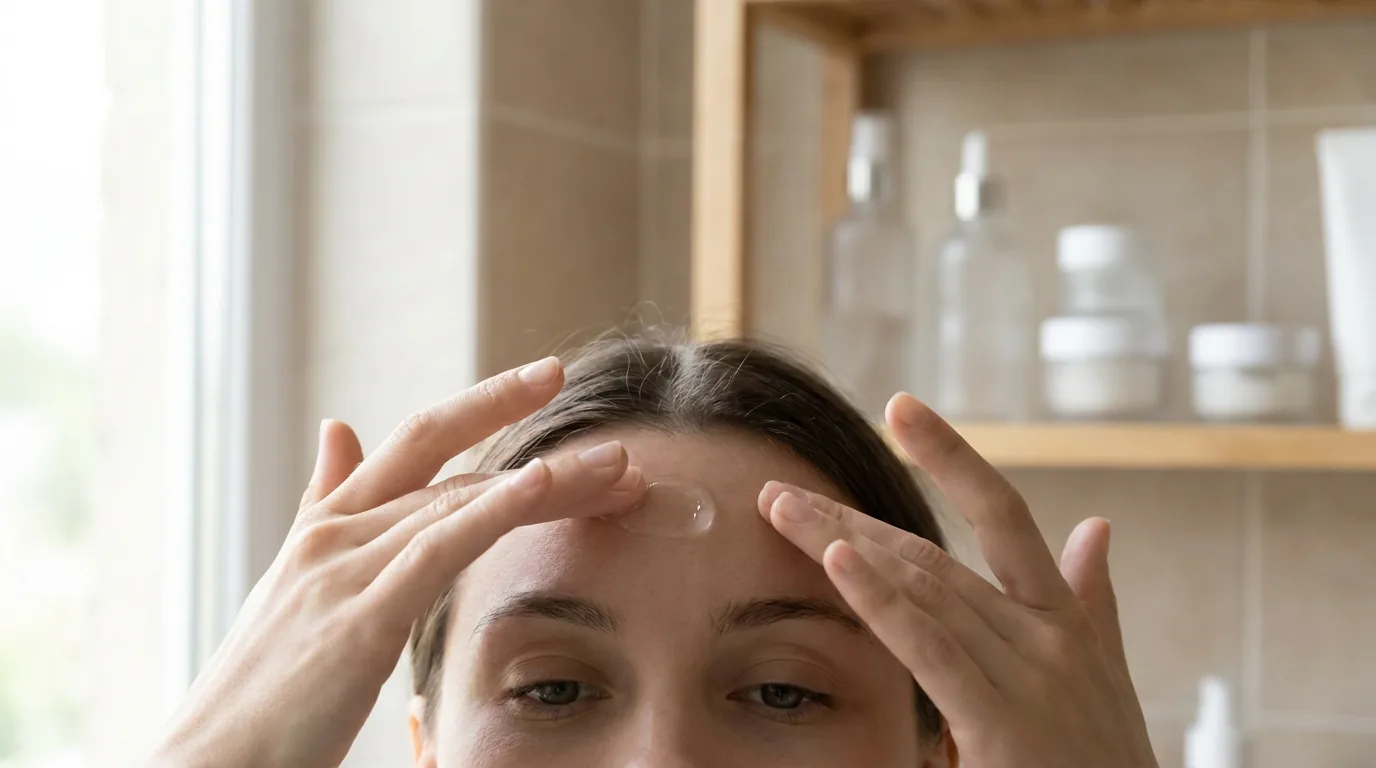
Once a clinician has assessed the breakouts, the options split by severity and by budget: the full set of clinical routes and what each one costs is set out in our guide to acne treatment in Dubai.
When a Dubai dermatologist or skin salon makes sense
Persistent, painful, or scarring breakouts are a sign to bring in a professional. Two different routes exist in Dubai, and they are not interchangeable.
For clinical acne, the right place is a DHA-licensed dermatology clinic. A dermatologist can prescribe topical or oral antibiotics, hormonal treatment for cyclical breakouts, or isotretinoin for severe cases, none of which a salon can legally supply. In the UAE every clinic carries a Dubai Health Authority licence, and the treating doctor holds an individual DHA professional licence on top of the venue’s DET trade licence. Always confirm both before any prescription or in-clinic procedure.
For maintenance, a licensed skin salon or facial spa offers facials, extractions, and chemical peels that support a medical plan and keep pores clear. These help with comedonal forehead acne and texture, but a facialist is not a substitute for a doctor when acne is inflamed or scarring. For diagnosis and prescriptions, a skin specialist is the right call; for ongoing care, choose a venue that lists acne treatment as a service and confirm its credentials before booking.
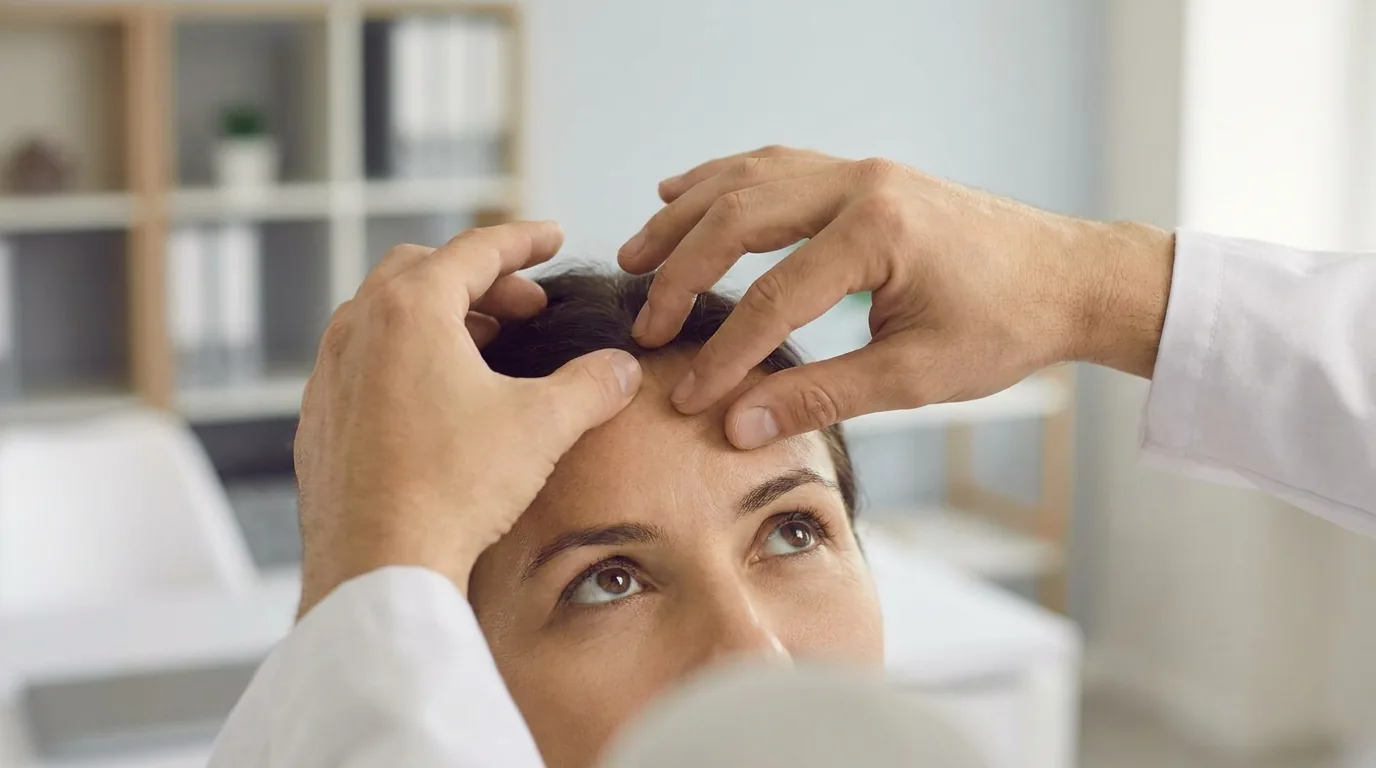
On our directory, 96 Dubai venues list acne treatment as a service, alongside 56 skin care salons you can filter by area and rating.
Browse all 56 Skin Care Salons providers on our directory.
Forehead acne vs other breakouts
Where a breakout sits on the face hints at what is driving it, which is why dermatologists use an acne face map as a rough guide rather than a rule. Comparing the forehead to its neighbours helps you read your own skin.
| Breakout type | Where | Usual driver |
|---|---|---|
| Forehead acne | Hairline, brow line, T-zone | Hair products, oil, sweat |
| Fungal acne | Hairline, even small bumps | Malassezia yeast in follicles |
| Jawline acne | Lower face, jaw | Hormones, often cyclical |
| Cheek acne | Mid and lower cheeks | Friction, phones, pillowcases |
The takeaway: forehead breakouts skew toward external triggers you can control, which is good news, because the fixes are mostly habits and products rather than prescriptions. If your breakouts leave marks, a pigmentation treatment can fade the dark spots left behind, and an in-clinic option like a HydraFacial can deep-clean congested skin between routines.
Exfoliation choices follow the same split. Whether a blade treatment suits skin that is breaking out right now is answered in the guide to dermaplaning for acne prone skin.
How to prevent forehead acne coming back
Clearing the skin is half the job; keeping it clear is the rest. The forehead responds well to a few steady habits, most of them aimed at the hairline and the climate.
- Keep hair products off the forehead and wash oily hair regularly to head off pomade acne.
- Use only non-comedogenic makeup, sunscreen, and moisturiser, and remove makeup fully before bed.
- Cleanse after workouts or any time you sweat heavily, which in Dubai is often.
- Wash hats, caps, and headbands regularly so you are not pressing old sweat back onto the skin.
- Keep your routine consistent rather than swapping products every week, and avoid over-washing, which strips the skin and triggers more oil.


